Open 365 Days · Same-Day Appointments · Multilingual Psychiatry in Gangnam, Seoul
4.9 Patient Satisfaction
en-US


· Needs Clinic Confirmation
Anti-Panic Medication
Expert anti-panic medication management at SAYU Psychiatry Clinic. Personalized care, in-house dispensing & same-day appointments. Book today.
Schedule a ConsultationAnti-Panic Medication

What Is Anti-Panic Medication?
Anti-panic medication refers to a class of psychiatric medications prescribed to reduce the frequency and severity of panic attacks, lower the neurological overactivation that drives anticipatory anxiety, and restore neurochemical balance in patients experiencing panic disorder. Two primary medication types are used in the clinical management of panic disorder — anxiolytics, which provide rapid relief from acute anxiety and panic symptoms, and antidepressants, which address the underlying neurochemical imbalances that make individuals vulnerable to recurrent panic.
At SAYU Psychiatry Clinic, medication for panic disorder is prescribed only after comprehensive psychiatric assessment. Every prescription decision is preceded by a thorough consultation, a detailed evaluation of the patient's panic history and clinical profile, and a full explanation of the medication's purpose, mechanism, expected effects, duration, and potential side effects. No prescription is issued without the patient's complete understanding and informed consent.
Where clinically appropriate, anti-panic medication is integrated with panic-focused psychotherapy — addressing both the neurochemical and psychological dimensions of panic disorder for a more complete and durable recovery.
Who Needs Anti-Panic Medication?
Anti-panic medication may be appropriate for individuals experiencing:
Recurrent, unexpected panic attacks causing significant physical and psychological distress
Severe anticipatory anxiety — persistent fear of future panic attacks restricting daily functioning
Agoraphobia linked to panic disorder — avoidance of situations associated with previous panic episodes
Panic attacks with intense physical symptoms — rapid heartbeat, chest tightness, breathlessness, dizziness, or trembling
Panic disorder co-occurring with depression requiring combined pharmacological management
Panic disorder co-occurring with generalized anxiety where neurochemical stabilization supports broader recovery
Individuals requiring rapid symptom relief to stabilize functioning while psychotherapy is established
Those who have not achieved sufficient improvement through psychotherapy alone
Patients seeking an integrated approach combining medication and psychological treatment for maximum effectiveness
Panic disorder affects a significant proportion of the population and can be severely debilitating when left untreated. For many patients, anti-panic medication provides the neurochemical stabilization needed to re-engage with daily life and benefit fully from psychotherapy.
Meet the Specialist

Dr. Dong-han Lee
Psychiatry Specialist
Dr. Dong-han Lee Psychiatry Specialist · MD, PhD Former Professor, Gangnam Eulji Hospital Founder, SAYU Psychiatry Clinic (Est. 2023)
Dr. Dong-han Lee's clinical and academic background gives him a thorough understanding of the neurobiological mechanisms underlying panic disorder — and the pharmacological approaches most effective in addressing them. His experience as a former hospital professor and doctoral-level researcher informs a medication management approach that is rigorous, transparent, and consistently adapted to the individual.
At SAYU, medication decisions are never made lightly. Every prescription is preceded by comprehensive assessment and followed by consistent monitoring — ensuring that each patient receives the right medication, at the right dose, with the right support throughout their treatment.
Treatment Areas & Expected Improvements
Anti-panic medication at SAYU Psychiatry Clinic targets the following core areas:
Panic Attack Frequency & Severity The primary goal of anti-panic medication is the reduction of panic attack frequency and severity. Anxiolytics act rapidly on the central nervous system to calm the neurological overactivation that triggers panic episodes — providing meaningful relief from acute panic symptoms. Antidepressants address the underlying neurochemical imbalances that create vulnerability to recurrent panic — reducing the baseline level of neurological arousal from which panic attacks emerge. Most patients experience a meaningful reduction in panic frequency as medication takes effect.
Anticipatory Anxiety For many patients with panic disorder, anticipatory anxiety — the persistent fear of future panic attacks — is as debilitating as the attacks themselves. It drives avoidance behavior, restricts daily activity, and creates a cycle of hypervigilance that perpetuates the disorder. Anti-panic medication directly reduces the neurochemical arousal underlying anticipatory anxiety — creating the psychological space needed to challenge avoidance patterns and re-engage with daily life.
Physical Panic Symptoms Panic attacks produce a cascade of intense physical symptoms — rapid heartbeat, chest tightness, shortness of breath, dizziness, sweating, and trembling — driven by acute autonomic nervous system activation. Anti-panic medication modulates this autonomic response, reducing both the intensity and duration of physical panic symptoms and helping patients develop a less fearful relationship with their own bodily sensations.
Agoraphobic Avoidance Panic disorder frequently leads to progressive avoidance of situations associated with previous panic episodes — restricting travel, social engagement, professional activity, and independence. As medication reduces panic frequency and anticipatory anxiety, patients typically find it progressively easier to re-engage with previously avoided situations — either independently or supported by concurrent psychotherapy.
Co-occurring Depression & Anxiety Panic disorder rarely exists in isolation. It frequently co-occurs with depression and generalized anxiety — each condition amplifying the others in a cycle that requires integrated pharmacological management. Where antidepressants are prescribed for co-occurring depression, they simultaneously address the neurochemical dimensions of panic disorder — providing dual clinical benefit within a single, carefully managed medication plan.
Expected Improvements Most patients begin to notice meaningful reduction in panic attack frequency and anticipatory anxiety within one week of initiating anxiolytic therapy. Antidepressant medication typically produces its full therapeutic benefit over a longer period. The extent and pace of improvement varies between individuals — regular follow-up ensures medication remains appropriate and effective throughout recovery.
Treatment Process & Timeline
Initial Psychiatric Consultation
Your first appointment is a comprehensive, confidential one-on-one consultation with Dr. Dong-han Lee — covering the history, frequency, triggers, and impact of your panic disorder in full, alongside any co-occurring conditions and previous treatment history. First-time patients are encouraged to visit on a weekday to allow sufficient time for this thorough initial assessment.
Panic Disorder & Symptom Assessment
Standardized symptom and behavior scales are used alongside clinical interview to build a detailed picture of your panic profile — informing both the diagnosis and the most appropriate medication selection for your individual clinical needs.
Treatment Planning & Informed Consent
Based on your consultation and assessment, Dr. Lee discusses your treatment options in full — including whether anxiolytics, antidepressants, or a combination is most appropriate, expected onset of effects, treatment duration, and potential side effects. No prescription is issued without your complete understanding and informed consent.
Prescription & In-house Dispensing
If medication is prescribed, SAYU's in-house dispensing service allows your prescription to be filled directly at the clinic — with no separate pharmacy visit required. This ensures immediate access, complete privacy, and the convenience of receiving medication on the same day as your consultation.
Ongoing Monitoring & Follow-up
Anti-panic medication requires consistent follow-up to assess treatment response, monitor for side effects, and adjust dosage or medication type where necessary. Regular appointments with Dr. Lee ensure your treatment plan remains appropriate and effective as your recovery progresses.
Integration with Panic-Focused Psychotherapy
For patients whose panic disorder has both neurochemical and psychological dimensions — which is the case for most — SAYU's integrated model allows anti-panic medication and panic-focused psychotherapy to be coordinated seamlessly within the same clinical setting, providing cohesive, whole-person care.
Results, Safety & Longevity
Anti-panic medication at SAYU Psychiatry Clinic is prescribed strictly in accordance with clinical evidence and individual patient assessment. Dr. Lee's approach prioritizes safety, transparency, and careful monitoring throughout the treatment period.
Safety Approach
Before any prescription is issued, Dr. Lee provides a complete explanation of the medication's mechanism, purpose, expected effects, duration, and potential side effects — ensuring every patient feels informed and confident from the outset.
Possible Side Effects
As with all psychiatric medications, anti-panic medications may be associated with side effects — particularly during the early stages of treatment. These may include mild drowsiness, initial fluctuations in energy, or temporary changes in appetite. Most side effects are temporary and resolve as the body adjusts. All concerns are addressed promptly through follow-up appointments.
Important Considerations
Anti-panic medication should always be taken as prescribed and discontinued only under medical supervision
Some anxiolytic medications carry a risk of dependence if used over extended periods — Dr. Lee will discuss this openly and monitor use carefully throughout treatment
Individual response to medication varies; dosage adjustment or a change in medication type may be required
Anti-panic medication is most effective when combined with panic-focused psychotherapy to address the psychological dimensions of panic disorder
Medication is a clinically effective tool — not a standalone cure. As part of an integrated treatment plan, it provides the neurochemical stability needed for sustainable recovery
Why Choose SAYU Psychiatry Clinic for Panic Disorder Treatment?

At SAYU Psychiatry Clinic, anti-panic medication is never prescribed in isolation — it is always part of a carefully constructed, individually tailored treatment plan that considers the full clinical and personal context of each patient's panic disorder. Dr. Dong-han Lee's academic background and clinical expertise ensure that medication management is delivered to the highest standard — with the transparency, consistency, and genuine care that effective panic disorder treatment demands.
For international patients seeking expert panic disorder care, SAYU offers a professional, welcoming environment with same-day appointment availability and in-house dispensing that removes the logistical complexity often associated with accessing psychiatric care.
Single specialist clinic — consistent, personal care with Dr. Lee at every appointment
In-house dispensing — prescriptions filled on-site, no pharmacy visit needed
Integrated care — medication and psychotherapy coordinated under one roof
Same-day appointments — prompt access when panic symptoms are most acute
Full transparency — complete medication explanation before every prescription
Patient Experiences
Patient A — Professional with Recurrent Panic Attacks
Following a period of escalating work stress, this patient began experiencing frequent panic attacks that had progressively led to avoidance of public spaces and significant restriction of daily activity. Following thorough assessment at SAYU, a carefully selected anxiolytic plan was initiated alongside panic-focused psychotherapy. They reported a meaningful reduction in both panic frequency and anticipatory anxiety within the first weeks of treatment — describing the combined approach as restoring a sense of freedom and control they had not experienced in months. Suggested image: professional in a calm public setting, relaxed and composed
Patient B — Individual with Panic Disorder & Co-occurring Depression
Managing both recurrent panic attacks and persistent low mood, this patient had found that each condition was worsening the other in a cycle they were unable to break independently. At SAYU, an integrated plan combining antidepressant medication with anxiolytics and panic-focused psychotherapy addressed both conditions within the same clinical relationship — providing a level of coherence and effectiveness that previous fragmented treatment had not achieved. Suggested image: person outdoors, relaxed posture, open and calm expression
Reclaim Your Life — Expert Panic Disorder Care Starts Here
Panic disorder is highly treatable. With the right assessment, the right medication, and the right integrated support, it is possible to reduce panic frequency, overcome anticipatory anxiety, and rebuild the freedom to live without fear. At SAYU Psychiatry Clinic, Dr. Dong-han Lee is ready to help — with the clinical expertise, transparency, and genuine commitment to your recovery that effective panic disorder treatment demands.
Same-day appointments are available. All care is fully confidential and completely personalized to you.
Book Your Anti-Panic Medication Consultation at SAYU Psychiatry Clinic →
For enquiries, contact us by phone or through our online booking system. We welcome both Korean and international patients and are committed to making expert panic disorder care as accessible as possible.
Clinical References & Related Hospital Guides
- Related Clinic Pages: About Our Clinic & Safety Standards · Clinical Centers & Specialties · 1:1 Consultation & Appointment Inquiry
- Authoritative Medical References: American Society of Plastic Surgeons (ASPS) · Korean Society of Plastic and Reconstructive Surgeons (KSPRS)
Other Services
Explore additional treatments offered by our specialists.

Anxiolytics
Expert anxiety medication management at SAYU Psychiatry Clinic. Personalized care, in-house dispensing & same-day appointments. Book today.
Learn More
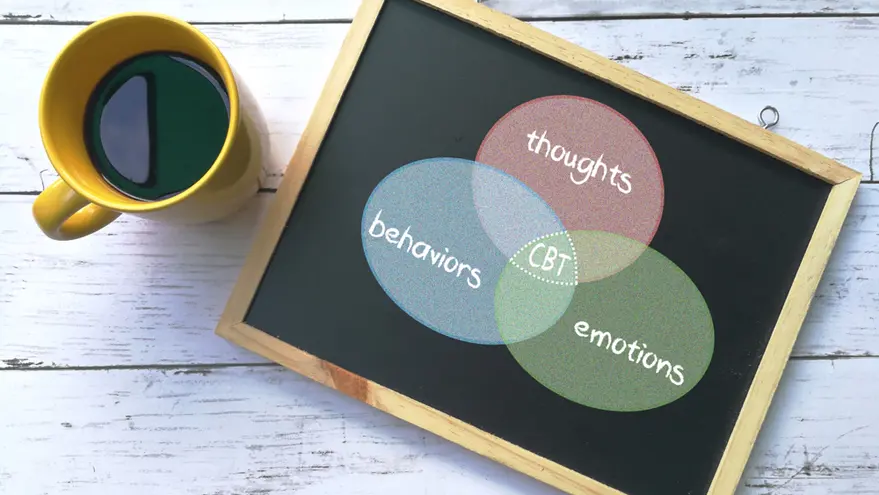
Cognitive Behavioral Therapy (CBT)
Cognitive behavioral therapy for insomnia at SAYU Psychiatry Clinic. Structured, evidence-based sleep treatment with a specialist psychiatrist. Book today.
Learn More

Talk Therapy
Find relief from depression through expert talk therapy at SAYU Psychiatry Clinic. Personalized one-on-one counseling with a specialist psychiatrist.
Learn More