Open 365 Days · Same-Day Appointments · Multilingual Psychiatry in Gangnam, Seoul
4.9 Patient Satisfaction
en-US

· Needs Clinic Confirmation
Cognitive Behavioral Therapy (CBT)
Cognitive behavioral therapy for insomnia at SAYU Psychiatry Clinic. Structured, evidence-based sleep treatment with a specialist psychiatrist. Book today.
Schedule a ConsultationCognitive Behavioral Therapy (CBT)
What Is CBT for Insomnia?
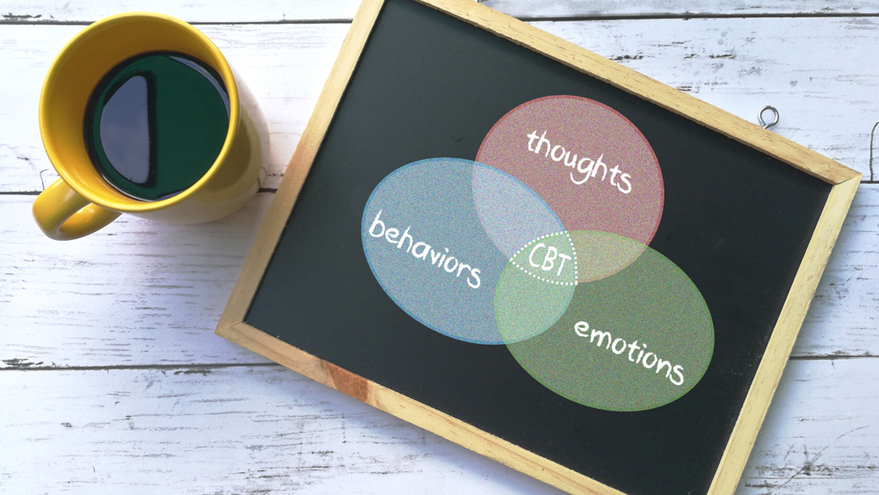
Cognitive Behavioral Therapy for Insomnia — commonly referred to as CBT-I — is a structured, evidence-based psychological treatment that addresses the thoughts, beliefs, and behaviors that cause and maintain insomnia. Rather than treating the symptom of sleeplessness alone, CBT-I targets the underlying patterns that prevent restful sleep — making it one of the most clinically effective long-term treatments for insomnia available.
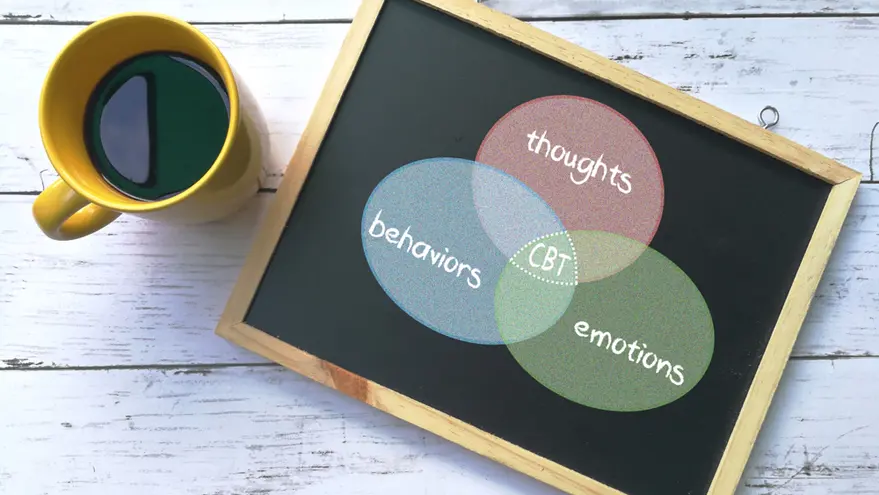
CBT-I works across two core dimensions. The cognitive component identifies and challenges unhelpful beliefs about sleep — such as catastrophic thinking about the consequences of poor sleep or unrealistic expectations about sleep requirements — replacing them with more accurate, balanced perspectives. The behavioral component addresses the habits and routines that perpetuate insomnia — including irregular sleep schedules, excessive time in bed, and the conditioning of wakefulness in the sleep environment.
At SAYU Psychiatry Clinic, CBT-I is delivered as a personalized, one-on-one therapeutic process — tailored to each patient's specific insomnia profile, sleep history, and lifestyle. Where appropriate, it is integrated with medication or other therapeutic approaches within SAYU's cohesive, patient-centered care model.
Who Needs CBT for Insomnia?
CBT for insomnia may be appropriate for individuals experiencing:
Chronic insomnia — persistent sleep difficulties lasting three months or more
Sleep onset insomnia — lying awake for extended periods unable to initiate sleep
Sleep maintenance insomnia — frequent nighttime waking with difficulty returning to sleep
Anxiety-driven insomnia — where worry and mental arousal at bedtime prevent sleep
Hyperarousal at night — a persistent state of mental or physical alertness when trying to sleep
Unhelpful sleep beliefs — fear of sleeplessness, clock-watching, catastrophic thinking about poor sleep
Irregular sleep patterns — inconsistent sleep and wake times disrupting the body's natural sleep rhythm
Individuals seeking a non-medication approach or looking to reduce reliance on sleep medication
Patients whose insomnia persists despite medication and requires psychological intervention
Meet the Specialist

Dr. Dong-han Lee
Psychiatry Specialist
Dr. Dong-han Lee Psychiatry Specialist · MD, PhD Former Professor, Gangnam Eulji Hospital Founder, SAYU Psychiatry Clinic (Est. 2023)
Dr. Dong-han Lee's integrative approach to insomnia treatment reflects his understanding that sleep disorders are rarely purely physical or purely psychological — they exist at the intersection of both. His academic background and clinical experience enable him to deliver CBT-I within a broader psychiatric framework, ensuring that therapy is clinically grounded, personally tailored, and coordinated with any other aspects of a patient's care.
At SAYU, every patient's sleep history is taken seriously. Dr. Lee works collaboratively with each individual to understand the specific patterns maintaining their insomnia — and to build a therapeutic plan that addresses those patterns directly and effectively.
Treatment Areas & Expected Improvements
CBT for insomnia at SAYU Psychiatry Clinic addresses the following core areas:
Unhelpful Sleep Beliefs & Cognitive Patterns Many people with insomnia develop deeply held negative beliefs about sleep — fearing the consequences of a poor night, catastrophizing about daytime impairment, or holding unrealistic expectations about how much sleep they need. These beliefs increase arousal at bedtime and perpetuate the insomnia cycle. CBT-I directly challenges these beliefs through structured cognitive work, helping patients develop a more accurate and less anxiety-provoking relationship with sleep.
Sleep Scheduling & Behavioral Patterns Irregular sleep schedules, excessive time spent in bed, and daytime napping are among the most common behavioral patterns that maintain insomnia. CBT-I introduces structured sleep scheduling — including sleep restriction and stimulus control techniques — to consolidate sleep, strengthen the body's natural sleep drive, and re-establish the bed as an environment associated with sleep rather than wakefulness.
Nighttime Arousal & Hypervigilance A hallmark of chronic insomnia is hyperarousal — a state of heightened mental and physical alertness that persists into the night. CBT-I incorporates relaxation and arousal reduction strategies that help patients quiet the mind and body at bedtime, reducing the neurological and psychological activation that prevents sleep onset.
Sleep Confidence & Long-term Resilience One of CBT-I's most significant outcomes is the restoration of the patient's confidence in their own ability to sleep. By addressing the thoughts and behaviors that have maintained insomnia, patients develop a more secure, less anxious relationship with sleep — and build the skills needed to manage future sleep disruption independently.
Expected Improvements Patients engaging consistently with CBT-I at SAYU can expect gradual and meaningful improvements in sleep onset, sleep quality, nighttime waking, and daytime functioning. CBT-I is a process — benefits build progressively over the course of treatment. Individual outcomes depend on the nature and duration of insomnia, consistency of engagement, and implementation of behavioral strategies between sessions.
Treatment Process & Timeline
Initial Psychiatric Consultation
Your first appointment is a comprehensive one-on-one consultation with Dr. Dong-han Lee — covering the history, pattern, and impact of your insomnia in full. First-time patients are encouraged to visit on a weekday to allow sufficient time for this detailed initial assessment.
Sleep Assessment
Standardized symptom and behavior scales are used alongside clinical interview to build a complete picture of your sleep profile. This assessment identifies the specific cognitive and behavioral patterns maintaining your insomnia and informs the CBT-I approach most suited to your needs.
Personalized CBT-I Treatment Plan
Based on your assessment, Dr. Lee develops a tailored CBT-I plan — outlining the therapeutic techniques to be used, session structure, and any behavioral strategies to be implemented between appointments. Where medication or IV therapy is also clinically appropriate, these are coordinated within the same plan.
Ongoing CBT-I Sessions
Regular one-on-one sessions deliver the cognitive and behavioral components of CBT-I in a structured, progressive sequence. Each session builds on the last — deepening insight, reinforcing behavioral changes, and gradually shifting the thoughts and habits that have maintained your insomnia. All sessions are conducted in a strictly confidential, private setting.
Progress Review & Adaptation
At regular intervals, Dr. Lee reviews your sleep progress and adapts the therapeutic approach as needed. CBT-I is a dynamic process — your plan evolves with your recovery.
Integration with Medication Where Appropriate
For patients who also require pharmacological support, CBT-I and sleep medication can be coordinated seamlessly within SAYU's integrated care model — providing comprehensive insomnia treatment within a single clinical relationship.
Results, Safety & Longevity
CBT-I is recognized as one of the most effective long-term treatments for chronic insomnia. Unlike medication, which addresses neurological arousal directly, CBT-I creates lasting psychological and behavioral change — equipping patients with skills and insights that continue to support healthy sleep long after the formal treatment period ends.
All sessions are strictly confidential. Patients are free to engage openly, knowing that everything discussed within the therapeutic relationship remains entirely private.
Important Considerations
CBT-I outcomes depend on consistent engagement and active implementation of behavioral strategies between sessions
Initial stages of treatment — particularly sleep restriction — may involve a temporary period of increased sleepiness before improvement is established
CBT-I is not a substitute for emergency psychiatric care in cases of acute crisis
Where medication is also clinically indicated, Dr. Lee will discuss this openly as part of an integrated plan
Why Choose SAYU Psychiatry Clinic for CBT Insomnia Treatment?

At SAYU Psychiatry Clinic, CBT-I is delivered within a broader psychiatric framework — ensuring that insomnia is treated not in isolation but as part of each patient's complete mental and physical health picture. Dr. Lee's integrative approach means that CBT-I, medication, and physical therapies such as IV drip can be coordinated within the same clinical relationship, providing a level of coherence and continuity that fragmented care cannot offer.
Single specialist clinic — consistent care with Dr. Lee throughout treatment
Integrated model — CBT-I coordinated with medication and therapy under one roof
Strictly confidential — all sessions fully protected
Same-day appointments — accessible support when sleep deprivation is most acute
Patient-centered — every plan built around your individual sleep profile and goals
Patient Experiences
Patient A — Professional with Chronic Insomnia
After years of relying on sleep medication without addressing the underlying patterns, this patient sought a psychological approach to their insomnia. Through CBT-I at SAYU, they identified the catastrophic thinking and irregular sleep habits that had maintained their sleeplessness. Over the course of treatment, sleep onset improved significantly and they reported feeling genuinely confident in their ability to manage sleep independently for the first time. Suggested image: person waking naturally, rested expression, soft morning light
Patient B — Individual with Anxiety-Driven Insomnia
Persistent bedtime worry had kept this patient awake for months — creating a cycle of dread around sleep that worsened night after night. CBT-I provided both the cognitive tools to challenge anxious sleep beliefs and the behavioral strategies to break the cycle of wakefulness. They described the process as the first treatment that had addressed the real cause of their insomnia rather than simply its symptoms. Suggested image: person in a calm bedroom, relaxed and comfortable
Address the Root — Restore Your Sleep
Poor sleep has real causes — and those causes can be addressed. CBT for insomnia at SAYU Psychiatry Clinic offers a structured, evidence-based path to lasting sleep recovery — one that goes beyond symptom management to tackle the thoughts and behaviors at the heart of your sleeplessness.
Same-day appointments are available. All care is strictly confidential and completely personalized to you.
Book Your CBT Insomnia Consultation at SAYU Psychiatry Clinic →
For enquiries, contact us by phone or through our online booking system. We welcome both Korean and international patients.
Other Services
Explore additional treatments offered by our specialists.

Anxiolytics
Expert anxiety medication management at SAYU Psychiatry Clinic. Personalized care, in-house dispensing & same-day appointments. Book today.
Learn More
Cognitive Behavioral Therapy (CBT)
Cognitive behavioral therapy for insomnia at SAYU Psychiatry Clinic. Structured, evidence-based sleep treatment with a specialist psychiatrist. Book today.
Learn More

Talk Therapy
Find relief from depression through expert talk therapy at SAYU Psychiatry Clinic. Personalized one-on-one counseling with a specialist psychiatrist.
Learn More